
When Should You Repair vs Replace Your Walkway or Patio?
Walkway replacement vs repair decisions are crucial for homeowners facing damaged outdoor surfaces. These elements support daily movement, host outdoor gatherings, and contribute significantly to curb appeal. When these surfaces begin to show signs of damage, homeowners often struggle with the decision of whether to repair or replace them. This choice affects safety, cost efficiency, long-term durability, and property value. Working with a trusted professional like Wilson Hardscape can help homeowners assess their outdoor surfaces and make informed decisions that balance functionality, aesthetics, and investment value.
Wilson Hardscape helps homeowners make informed decisions by evaluating material condition, base structure, drainage, crack thresholds, and overall safety. Whether someone is planning patio construction in Hamilton or examining an old walkway, understanding the difference between walkway replacement vs repair is essential for ensuring long-lasting results.
Many outdoor surfaces deteriorate because of climate, soil movement, age or improper installation. Because the damage may look similar on the surface, identifying whether the underlying structure remains stable is the first step in choosing between repair and replacement. This guide explores the factors that determine the most efficient option and explains how to evaluate patio and walkway wear professionally.
Understanding the Real Condition of a Walkway or Patio
Choosing between walkway replacement vs repair requires more than assessing visible cracks or stains. Exterior paving often hides deeper issues, especially when built without proper base compaction or water management. While a newer walkway may already be failing beneath the surface as a result of poor installation, a patio may appear worn on the outside but still have a stable structure; meanwhile, a newer walkway may already be failing beneath the surface due to improper installation.
Why the Base Foundation Matters Most
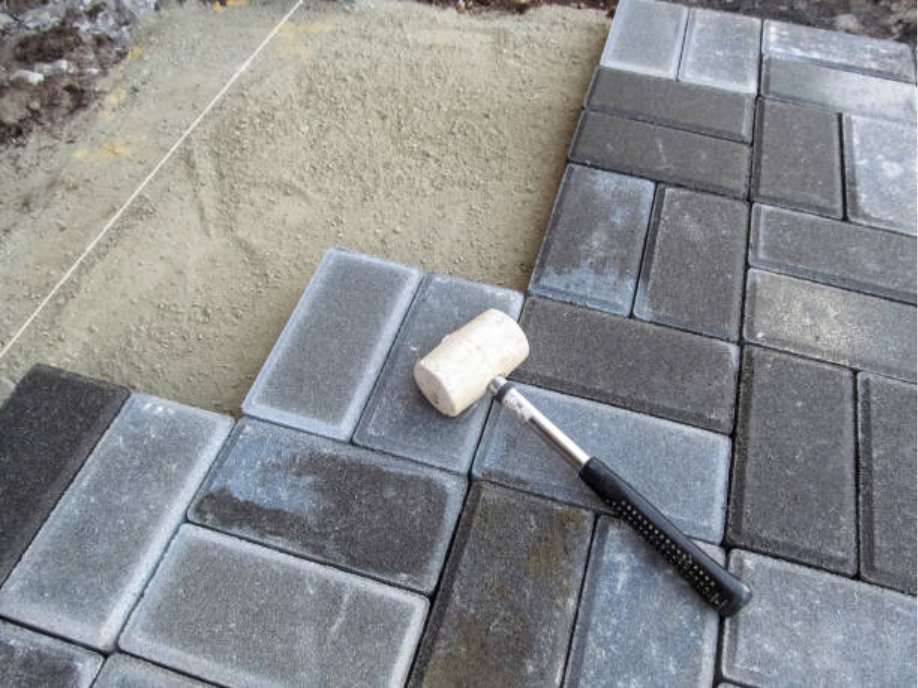
The base layer is the foundation of every patio or walkway. While the visible stone or concrete gets most of the attention, the strength of the entire structure relies on the compacted foundation beneath it. A weak or eroded base eventually causes cracking, sinking or loose surface material.
A reliable base requires:
- -Proper excavation depth
- -High-quality gravel or aggregate
- -Mechanical compaction
- -Correct slope and drainage planning
- -Suitable soil stability beneath the foundation
A solid foundation makes repair worthwhile, whereas a poor foundation means replacement is more cost-effective in the long run. Wilson Hardscape carefully assesses the base before recommending walkway replacement vs repair, ensuring that the chosen solution actually solves the problem instead of temporarily hiding it.
How Crack Thresholds Influence Repair or Replacement
Cracks are common in concrete and natural stone surfaces, particularly in climates with freeze-thaw cycles. However, not all cracks require replacement. The decision depends on size, depth, pattern and progression. Understanding crack thresholds helps determine whether repairs will last or whether structural failure will continue.
Hairline Cracks
- -Mostly aesthetic
- -Caused by curing or slight seasonal movement
- -Can be sealed or resurfaced
Medium Cracks (Under 1/4 Inch)
-Can often be repaired
- -Must be monitored for spreading
- -May require filling or re-bonding
Deep or Wide Cracks (Over 1/4 Inch)
- -Indicate significant movement
- -Often require replacement
- -Suggest base instability or moisture intrusion
Cracks with Uneven Heights
- -Present safety concerns
- -Show vertical displacement
- -Usually require structural replacement
Professionals use crack size and movement to decide on walkway replacement vs repair. If cracks are stable and shallow, repair is reasonable. If cracks have depth, uneven elevation or expansion, replacing the surface ensures longevity and safety.
A Major Factor for Walkway Replacement vs Repair
Safety is one of the most important factors when deciding between repair and replacement. Walkways must provide safe, level travel. When surfaces shift or separate, they can create tripping hazards that put homeowners, guests and delivery workers at risk.
Causes of Trip Hazards
- -Soil settlement or erosion
- -Frost heaving in colder climates
- -Tree roots pushing upward
- -Poor compaction during construction
- -Water deterioration underneath the base
Leveling and re-setting stones may solve minor hazards, but if elevation issues are widespread, walkway replacement vs repair leans heavily toward replacement. Wilson Hardscape identifies whether the entire base has been compromised or whether specific areas simply need lifting and re-compacting.
Assessing Surface Wear and Material Age
Wear and aging may seem cosmetic, but they can influence durability and structural reliability. Surface wear affects how the material sheds water, resists erosion and maintains protection against stains and weather.
Common Signs of Surface Wear
- -Discoloration and fading
- -Surface flaking or spalling
- -Pitting caused by freeze-thaw cycles
- -Loose joint sand between stones
- -Crumbling edges or missing sections
When deterioration is limited, resurfacing or sealing may be practical. However, when wear affects most of the surface, replacement often delivers better long-term value. Updated materials installed through patio construction in Hamilton often feature stronger surface finishes, interlocking systems, and more durable coatings.
When Repair Is the Best Option
Repairs are cost-effective when the underlying support of your walkway or patio remains strong. If defects are isolated and the base is stable, repair solutions can extend the surface lifespan without the need for large-scale demolition. Understanding walkway replacement vs repair helps homeowners make informed decisions that save money while maintaining safety and visual appeal. Early repairs prevent minor damage from escalating into expensive replacement projects.
Local Crack Repair
Small cracks can be filled or bonded to prevent water penetration, protecting the base from frost damage and further expansion. Proper crack repair also prevents weeds and debris from accumulating, keeping your walkway or patio safe and visually appealing. For homeowners considering patio construction Hamilton, addressing cracks early can significantly extend the life of your outdoor surfaces.
Leveling and Re-Compaction
Uneven pavers or settling slabs can be lifted, re-supported, and reset to restore a smooth, level surface. This not only eliminates trip hazards but also ensures proper drainage, preventing water pooling and additional damage. When evaluating walkway replacement vs repair, leveling and re-compaction is often a practical solution for minor settling issues.
Surface Resurfacing
Surface resurfacing restores a uniform appearance while adding a protective layer that shields the underlying material from moisture, wear, and UV exposure. This method can rejuvenate aging concrete, stone, or asphalt surfaces, extending their lifespan without a full replacement. Homeowners investing in patio construction Hamilton projects can also benefit from resurfacing as a cost-effective maintenance strategy.
Paver Replacement
For paver walkways or patios, individual pavers can be replaced as needed. This allows targeted repairs without disturbing surrounding areas, reducing costs while maintaining the design and integrity of your outdoor space. Considering walkway replacement vs repair, paver replacement is often ideal for minor localized damage.
Benefits of Professional Repairs
Working with professionals like Wilson Hardscape ensures repairs are done correctly and efficiently. Expert assessment guarantees that the root cause of problems, such as cracks or uneven surfaces, is addressed. Proper repairs improve durability, enhance safety, and preserve the aesthetics of your walkway or patio, making your patio construction Hamilton or repair project a long-term investment.
Make sure repairs are recommended based on structural evaluation. If a contractor suggests repairs without first examining the base or drainage, homeowners may end up paying twice. Wilson Hardscape prioritizes inspection before advising any walkway replacement vs repair solution.
Explore ours patio construction Hamilton services!
When Replacement Provides Greater Value
Replacement is often more cost-effective when repair fails to address underlying structural concerns. If the foundation, drainage or material integrity has deteriorated, installing a new system prevents recurring expenses.
Situations That Call for Replacement
- -Widespread structural cracking
- -Consistent sinking across multiple areas
- -Poor water drainage or pooling on the surface
- -Repeated repairs that do not solve the issue
- -Extensive surface wear and aging
Homeowners investing in patio construction in Hamilton frequently choose replacement not only for safety but also for modern aesthetic upgrades, improved drainage design and long-term performance.
Cost Perspective in Walkway Replacement vs Repair
Many homeowners initially lean toward repairs because they appear cheaper. However, repeated maintenance costs can surpass the investment in a full replacement. A proper evaluation helps balance upfront cost with long-term value.
Key Cost Influencing Factors
- -Size and age of existing surface
- -Base material and condition
- -Drainage issues
- -Material selection for replacement
- -Reachability and excavation needs
In many cases, replacing a failing patio or walkway becomes a more economical solution over time. A professionally installed system offers decades of performance with minimal upkeep, reducing repetitive expenses.
The Value of Professional Evaluation
Walkway or patio decisions should not be based solely on surface appearance. Skilled inspection identifies hidden structural issues, moisture damage beneath the surface and drainage problems that may not be visible.
What Professionals Check
- -Crack thresholds and surface stress points
- -Drainage paths and water pooling
- -Soil stability and compaction level
- -Spread of trip hazards and settlement areas
- -Condition of pavers, concrete density or surface coatings
Wilson Hardscape provides honest assessments, allowing homeowners to make decisions based on longevity rather than short-term fixes. This prevents costly mistakes and ensures patios and walkways perform reliably after construction.
Conclusion
Choosing between walkway replacement vs repair depends on foundation strength, crack thresholds, drainage performance, structural movement and surface wear. Repairs benefit homeowners when the structure below remains sturdy, while replacement becomes necessary when deeper issues compromise safety and durability.
Understanding how these factors work together helps homeowners avoid wasteful spending and choose cost-effective solutions. Wilson Hardscape guides property owners through thorough evaluations, ensuring reliable, long-lasting outdoor surfaces. To schedule an assessment or contact us for professional patio and walkway services.
Book your free walkway inspection today at Wilson Hardscape.
Frequently Asked Questions
1. How do I know if I should repair or replace my walkway?
If damage is only surface-level and the foundation is stable, repairs are effective. If the base or drainage is failing, replacement provides better long-term value.
2. Can sealing extend the life of a patio or walkway?
Yes. Sealing protects against moisture, stains and surface wear but does not correct structural issues. It works best on walkways and patios with a solid foundation.
3. How long should a professionally installed patio last?
With proper installation and maintenance, a patio can last 20 to 30 years or more, depending on climate and traffic.
4. Can trip hazards be repaired without replacement?
Leveling and re-compaction can fix isolated trip hazards, but widespread elevation issues require replacing the walkway or patio base.
5. Is replacement ultimately more cost-effective?
If recurring problems exist, replacement eliminates repeated repair costs and delivers a longer-lasting solution.